Interview with John White, BAEF–Rubenianum Fellow
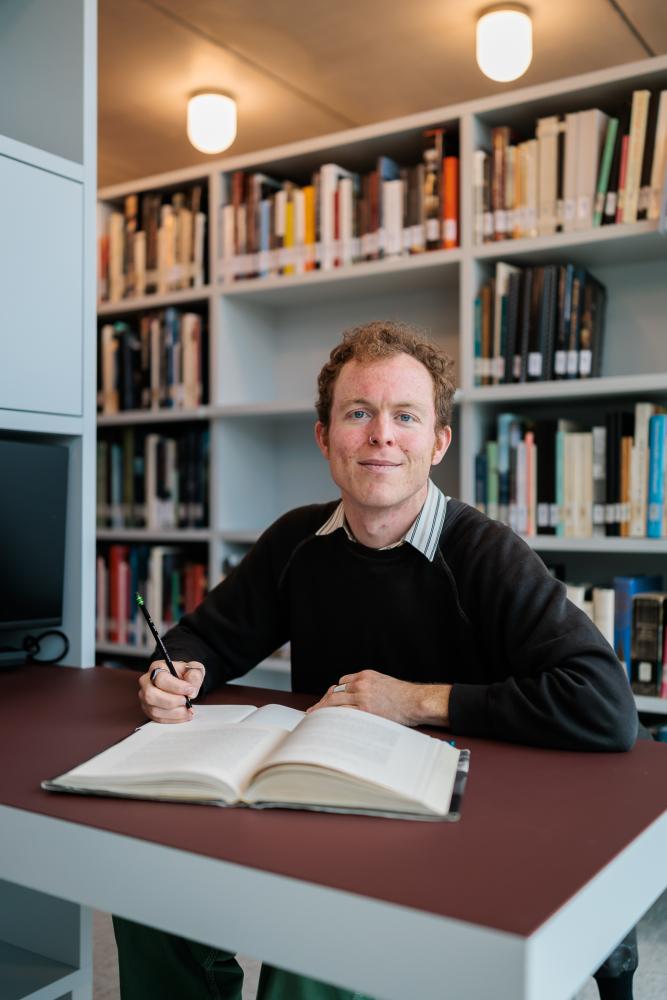
Through the BAEF-Rubenianum Fellowship, the Rubenshuis encourages a new generation of American scholars to engage with art-historical research on Flemish art. The current Fellow is John White (Princeton University), who is working in our library on his PhD project, Shaped by the Sea: Marine Materials in Art of the Early Modern Low Countries.
Could you provide some brief background about yourself?
I am 33 years old and a PhD candidate in art history at Princeton University in the US. Before Antwerp, I was living in Philadelphia.
What is the topic of your research project?
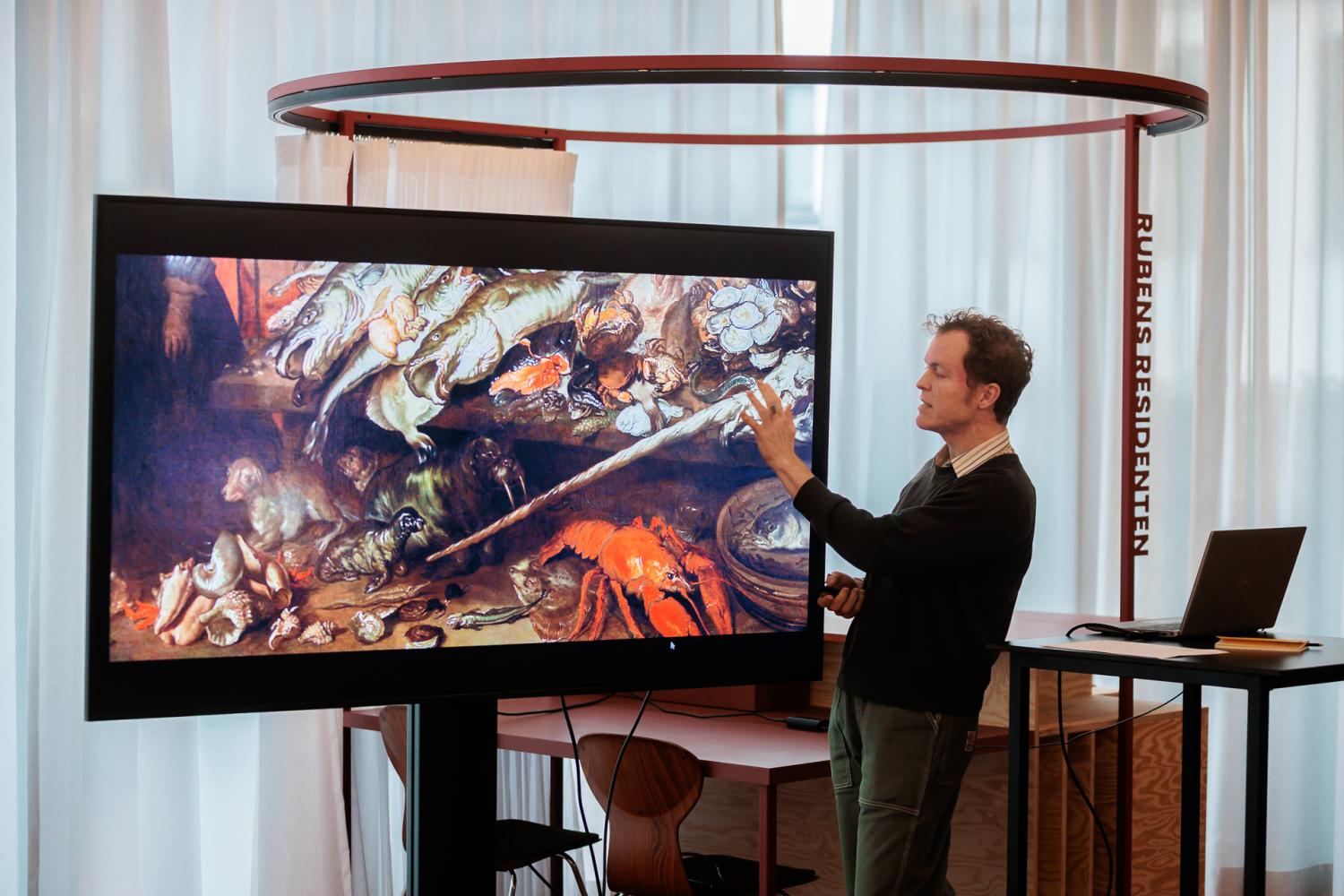
I research carved ivory objects, mostly from seventeenth-century Northern European art collections. In particular, I study the range of animals whose tusks artists carved: not just elephants but also walruses and narwhals, a type of whale.
I examine what different material properties and artistic techniques they each entailed, and how the objects operated as important material components to natural historical debates about foreign creatures in books and prints across the sixteenth and seventeenth centuries.
Where does your interest in this topic come from?
I chose this topic in part because of a visit in 2022 to the Benaki Museum in Athens, where the scholar Anastasia Drandaki showed me an ivory medallion that the museum had labeled for years as elephant ivory only to realize recently, under examination, that it was walrus ivory. I hope that the research will lead to instances like this of re-identifying the origins and properties of some objects.
What drew you to the Rubenshuis as a place to conduct your research?
I am interested in the Rubenshuis because Rubens collected some ivories and was close friends with some ivory carvers and, moreover, because of Antwerp’s history as a major site for printing and publishing natural historical books and prints.
I arrived at the Rubenshuis in September 2025 and plan to be here until August 2026, with the very helpful support of the Rubenshuis and the Belgian American Educational Foundation.
How important is your research stay at our library for your academic career?
This research year will help me make a lot of progress on two chapters of my dissertation. One is about Rubens's evident interest in (elephant) ivory. I am researching how ivory may have had an allure for Rubens due to the material's perceived distance, both in space and time.
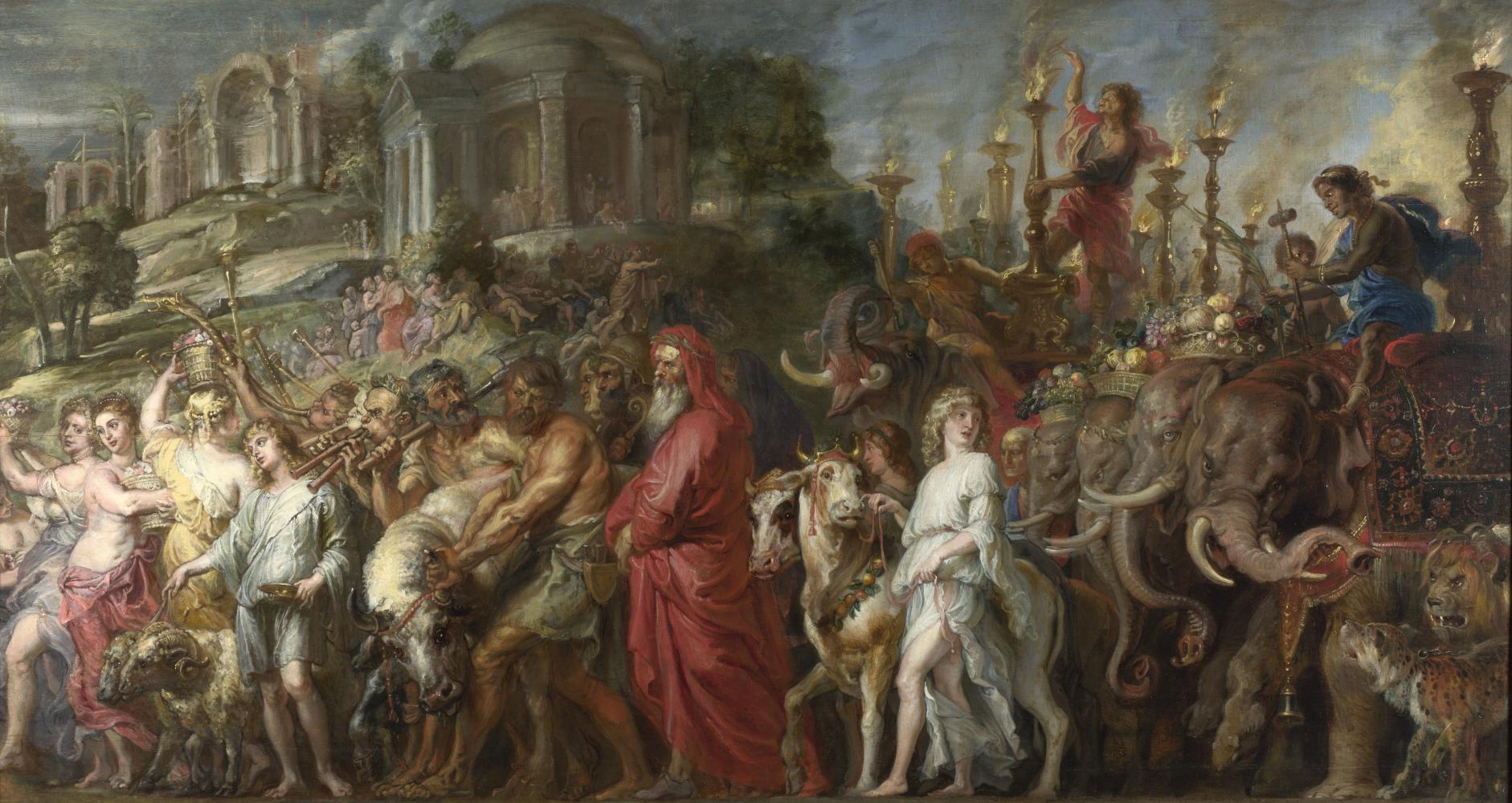
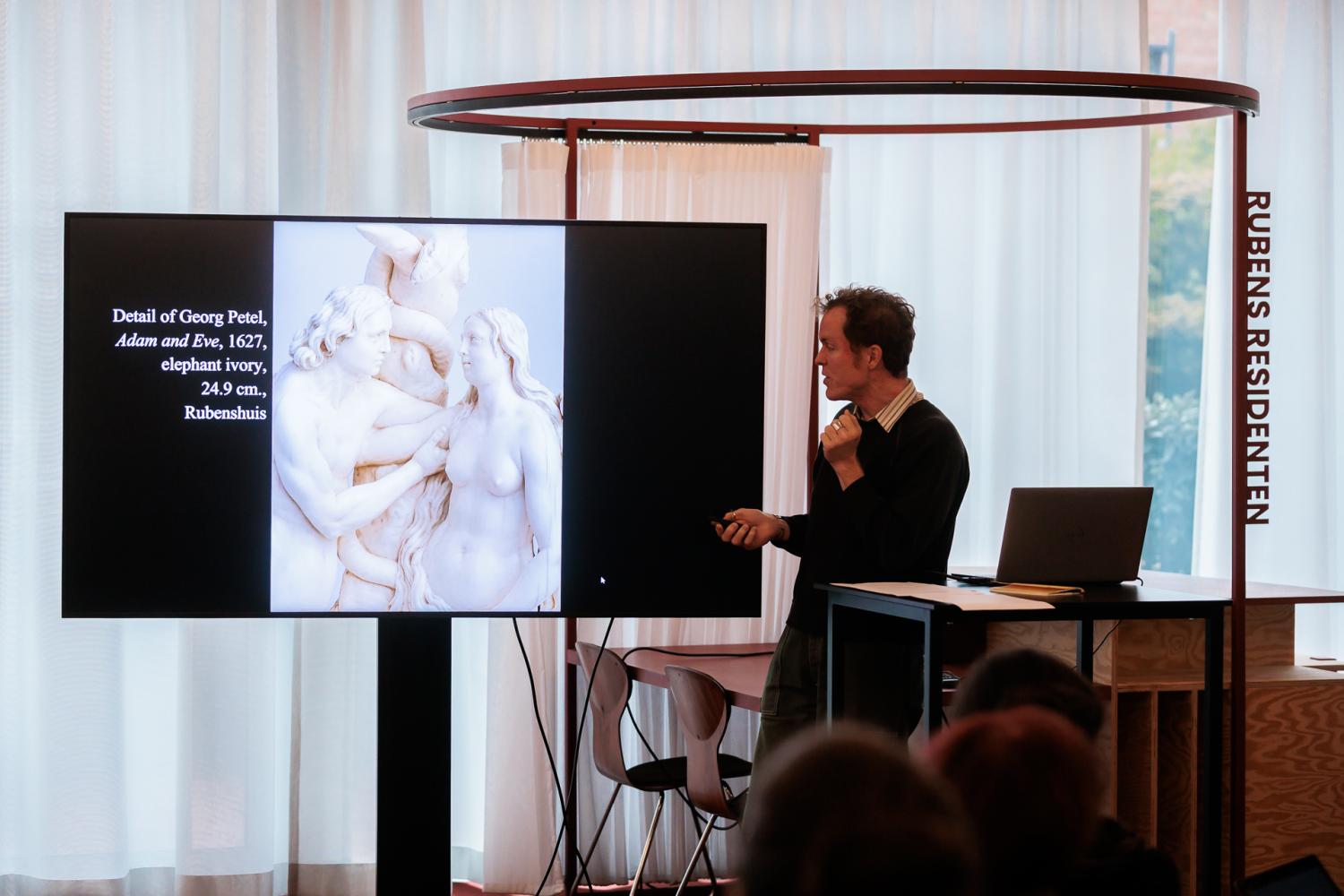
In addition to ivory coming from far away geographically due to Dutch colonial extraction overseas, it also often was associated with the ancient past and ancient characterizations of elephants as noble and humanlike, as seen in Rubens's A Roman Triumph. This deeper temporal aspect, for example, could have been helpful for the biblical scene depicted in Adam and Eve.

Are there any specific items in the collection that you are particularly eager to consult, or that have already surprised you?
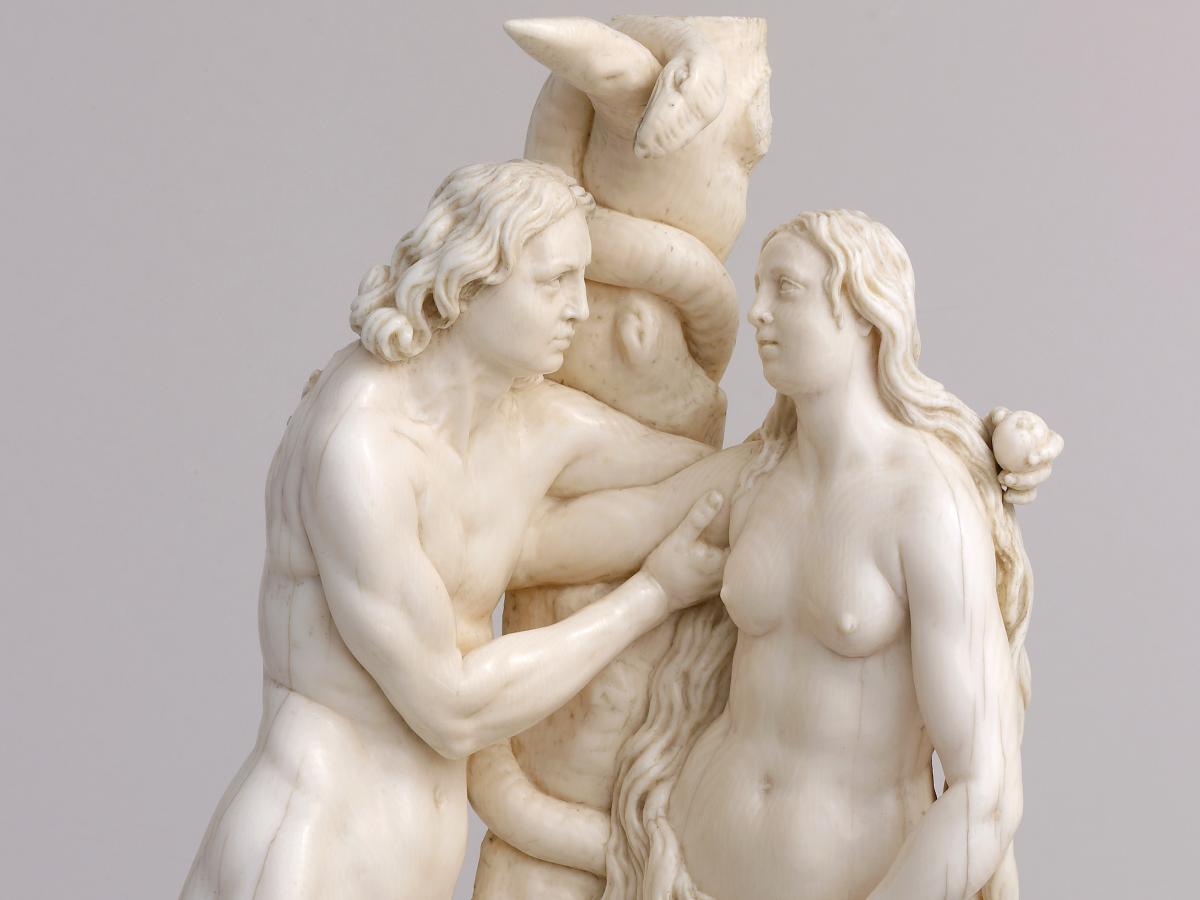
In the collection here I am most excited to study an ivory carving of Adam and Eve by Georg Petel, who was close friends with Rubens and who spent some time in Antwerp. Already in a short span of time I have been amazed by how much more material the collections in general in Antwerp have for my research than I anticipated. For instance, at the Rockoxhuis I saw unexpectedly a painting from 1694 by Alexander van Bredael of the annual Ommegang procession, with a whale at its center, which dovetails with my research on depictions of whales (such as the narwhal, a whale with an ivory tusk).
I really love the artwork documentation, that provide a quick overview of the existing scholarship on an individual artist. Many of the carved ivories that I study are unsigned or of debated authorship. Thus, these documentation files give me an efficient way to search through the status of attributed artworks in the scholarship on a particular artist of interest to me.
What resources have you found here that are not available elsewhere?
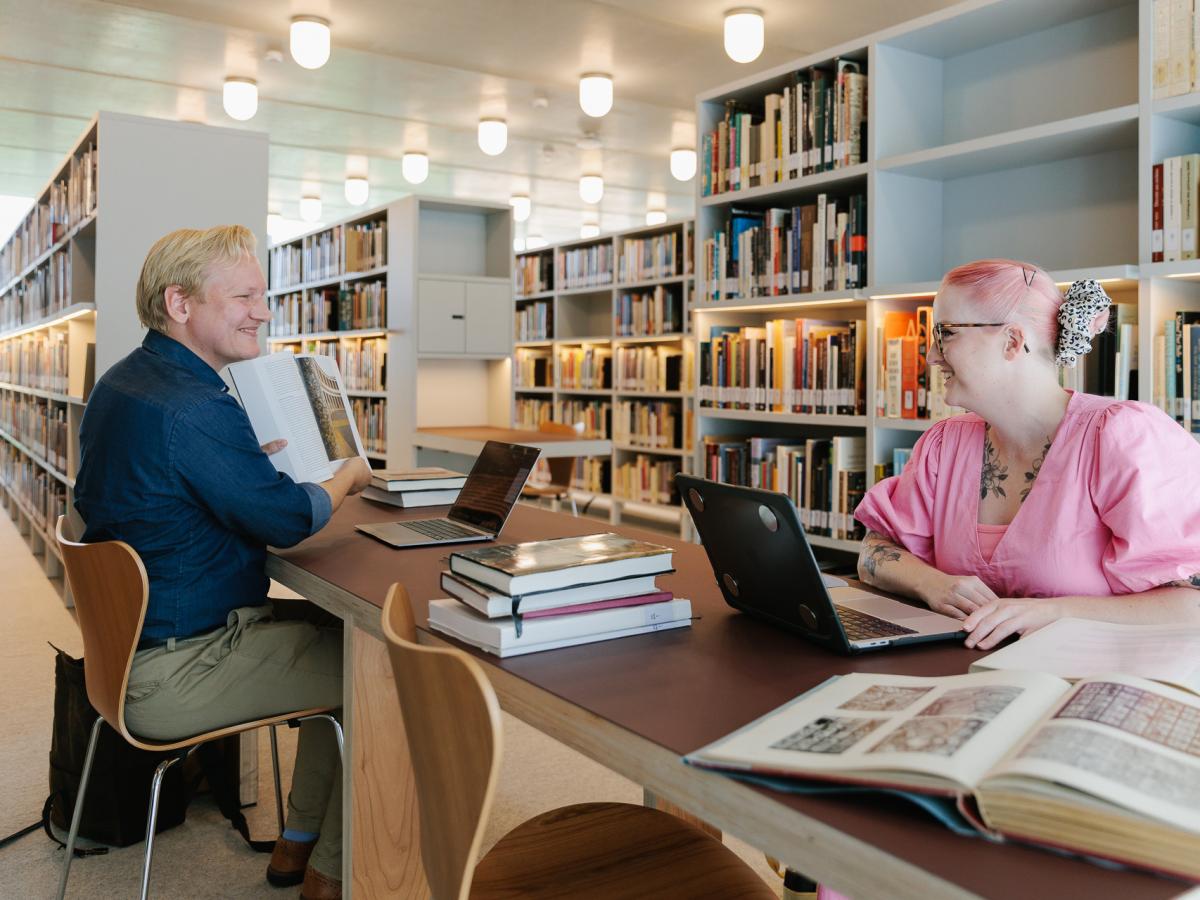
It is really rare and special to have access to a non-circulating library such as this one, where everything that I look up to consult is immediately available on site. In many cases when I search for a book or document across all Belgian libraries via UniCat, the Rubenshuis is one of very few places to have it.
In addition, the camaraderie with other fellows and scholars who spend time here, whether a longer research stay or a quicker visit for a lecture, is invaluable.
How has your contact been with the people here?
Everyone at the Rubenshuis has been very welcoming. The librarians, Martine and Inez, are so helpful, and the staff has been very warm with their recommendations for my research or just for day-to-day life in Antwerp.
Has anything particular stood out for you during your time here? What will stay with you?
It is very meaningful to be part of a cohort of fellows with monthly meetings to share ideas or findings. Sometimes another fellow will consult a book for their own research and realize that it is relevant to my project, too, so they will mention the book to me. I think that people commonly view research as a very solitary activity, which it can be, but research, for me, is always necessarily a social process, so I am grateful to be here working alongside and learning from researchers who are carrying out really compelling projects.
About the BAEF–Rubenianum Fellowship
The BAEF-Rubenianum Fellowship offers a unique opportunity for PhD candidates and post-doctoral researchers to conduct art-historical research on Flemish art, art history, and cultural heritage in Belgium. This collaboration between the Rubenshuis and the Belgian-American Educational Foundation (BAEF) builds on a long-standing transatlantic tradition of scholarly exchange.
Between 2015 and 2020, the fellowship was granted to six researchers. However, BAEF’s involvement in art-historical research into Flemish art dates back much further—at least to the 1930s. The Rubenianum, now the library of the Rubenshuis, often provided the professional home for these American BAEF Fellows in Belgium.
In 2024, the Rubenshuis resumed its collaboration with BAEF and relaunched the annual Fellowship.
From their carrels in the Rubenshuis’s library, fellows are actively integrated into the Rubenshuis’s scholarly activities and the broader art-historical community. They gain full access to the research collections, participate in public and academic programmes, partake in monthly Visiting Researchers’ meetings, and present their research in progress to colleagues. Rubenshuis staff facilitate their contact with relevant scholars and institutions.