Lecture
21.06.2026
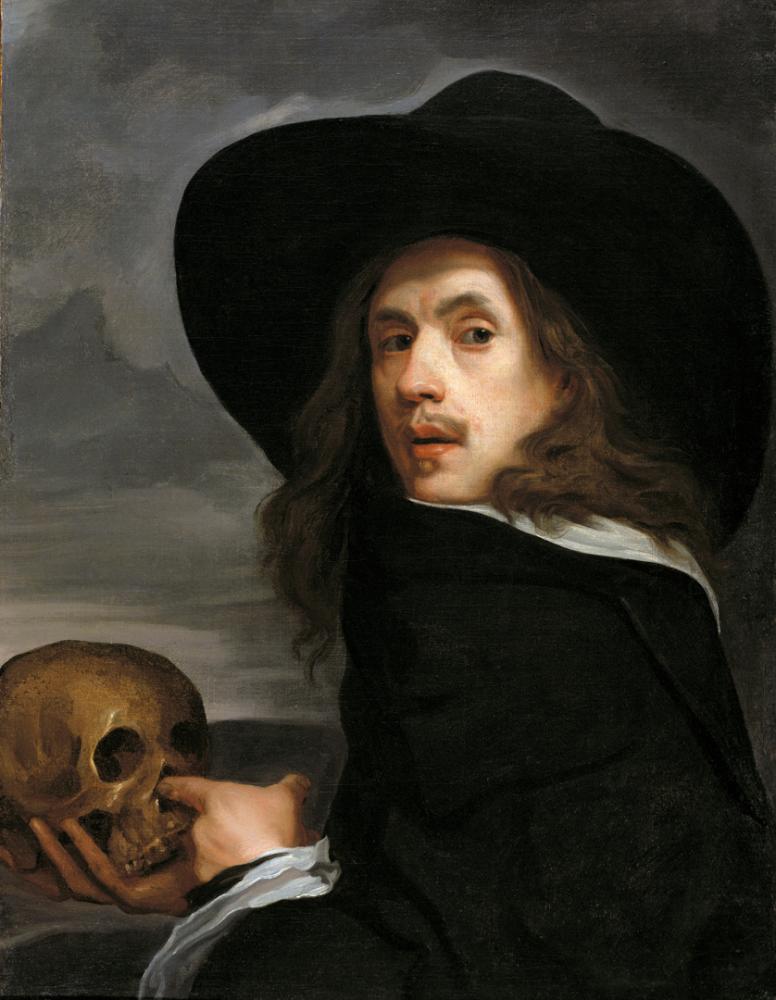
Michiel Sweerts (1618-1664): The work and life of the forgotten painter
Talk by Harald Deceulaer, archivist at the Antwerp State Archives
Lecture by Marlise Rijks, university lecturer and postdoctoral researcher
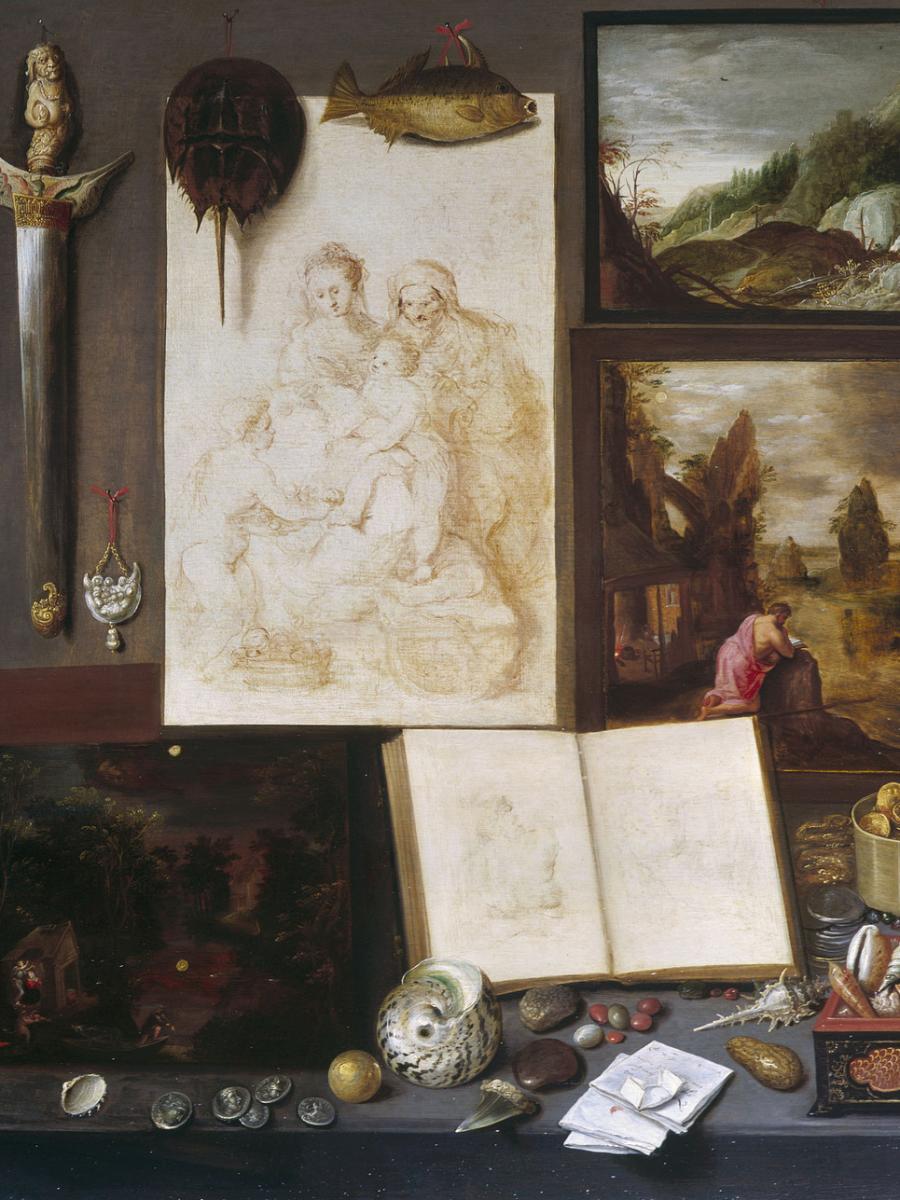
When Antwerp painter Frans Francken the Younger spotted a crab-like creature in an acquaintance's cabinet in 1617, he decided right there and then that he had to paint it. It was part of an art cabinet along with several other works.Some 400 years later, the horseshoe crab is overharvested for its blue blood. They are nearly twice as old as dinosaurs. The 17th-century fascination with nature of artists, collectors, engravers, gardeners, apothecaries and printers, is more topical than ever.
In this Dutch lecture, Marlise Rijks, who is a lecturer at the VUB and a postdoctoral researcher at UGent, introduces you to the nature lovers of early modern Antwerp. Why did they find plants and animals so appealing? And why did they amass such sizeable collections of prints of plants and animals? Marlise, who is specialised in art, science and technology of the early modern period and the author of publications on collecting culture, printmakers and the history of natural history, takes a closer look at visual culture in the 17th century.
Want to attend this talk but need childcare? Bring your kids. While you enjoy a fascinating talk, your children are entertained during a creative workshop.
Sunday 6 september 2025
10.45 am: Kick-off of the children's workshop (in a seperate room)
11.00 am: start
12.00 am: end
12.15 am: end of the children's workshop
Rubenshuis, Hopland 13, 2000 Antwerp
Price includes entrance ticket to the garden:
| Adults | 15 euro |
| 18-26 Years | 13 euro |
| A-card | 13 euro |
| Discount pass | 7 euro |
| A-card with social tariff | 4 euro |
Free workshop for children (6-12 years) of parents with a ticket to the event. Reserve a free ticket for your child at rubenshuis@antwerpen.be with the following info: